
Il Duomo
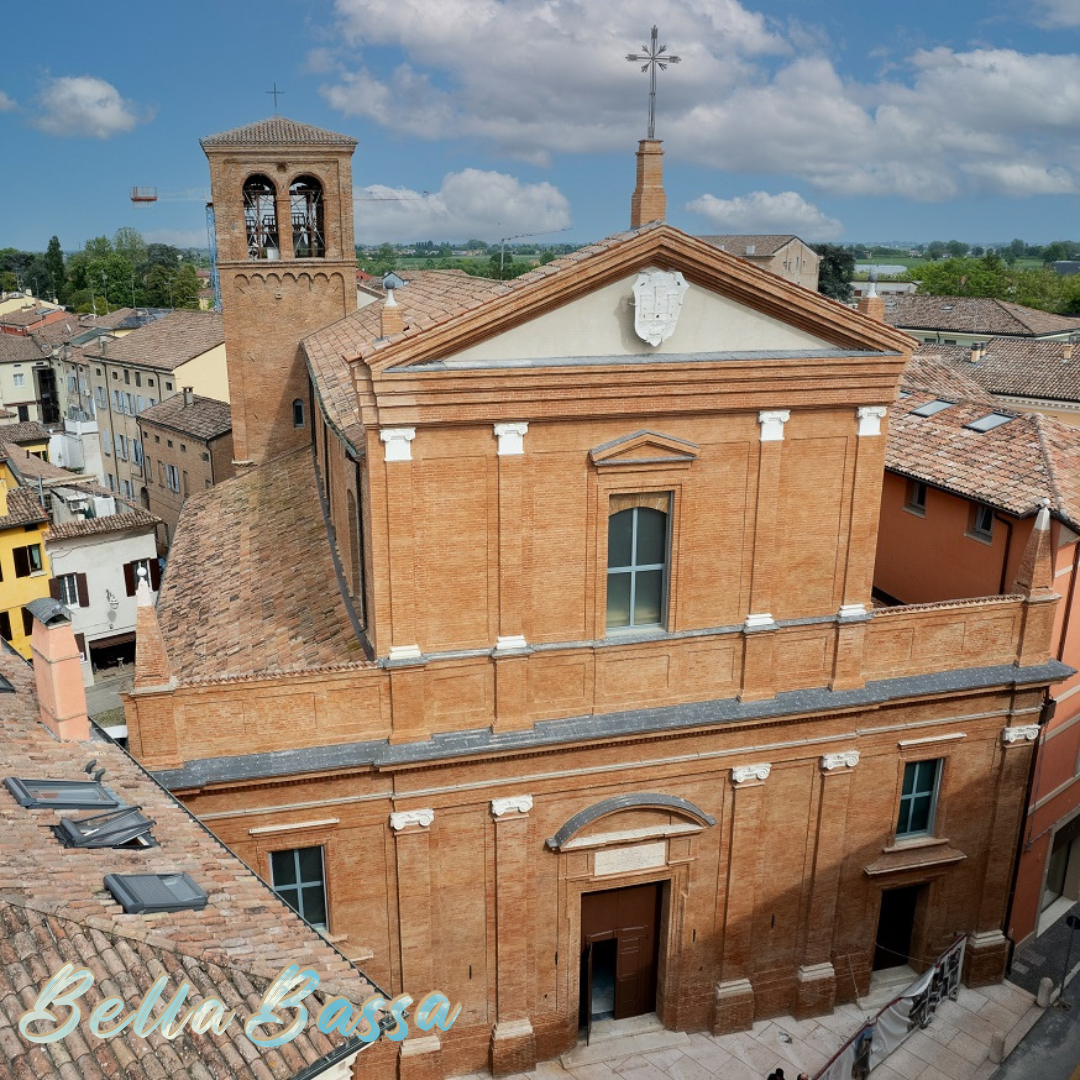
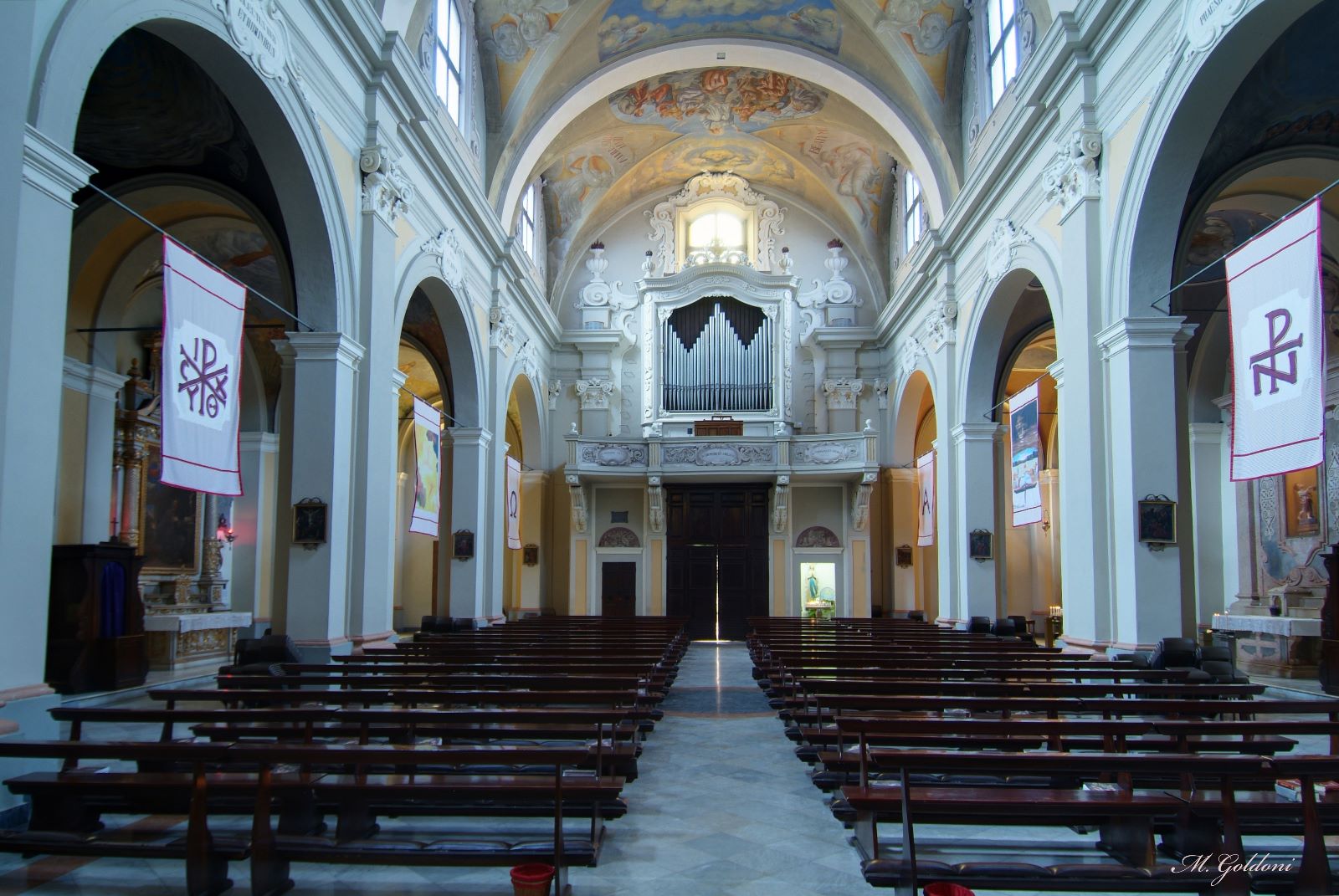
La storia conosciuta del Duomo inizia tra la fine del '400 e il primo '500, quando l'edificio originario venne ristrutturato, ampliato e alzato. L'interno del Duomo risale agli anni 1770 - 1773, con un disegno in stile barocco, opera dell'architetto ferrarese Angelo Marescotti, mentre la facciata è del 1807. Fino al 2002 il Duomo è rimasto di proprietà comunale e soltanto allora è stato ceduto alla parrocchia. All'interno del Duomo sono custodite opere d'arte di enorme pregio, a cominciare dal quadro del Guercino raffigurante San Lorenzo in adorazione della Vergine col Bambino, originariamente custodito presso la Chiesa di Sant'Agostino o del Seminario e collocato in Duomo in occasione della riapertura del 26 maggio 2024. Altre opere di rilievo: il Battesimo di Cristo di Sebastiano Filippi detto il Bastianino, databile intorno al 1580, l'Adorazione dei Magi di Giuseppe Maria Crespi (circa 1730), lo Sposalizio di Maria, olio su tela seicentesco di Sigismondo Caula, il Crocifisso ligneo (alto un metro 86 centimetri) di esecuzione quattrocentesca che, secondo la tradizione, sarebbe giunto a Finale trascinato dalle acque in piena del fiume Panaro.

The documented history of the Cathedral begins between the late 15th and early 16th centuries, when the original building was renovated, expanded, and raised. The interior of the Cathedral dates back to 1770–1773, featuring a Baroque design by the Ferrara-based architect Angelo Marescotti, while the façade dates from 1807. Until 2002, the Cathedral remained municipal property and was only then transferred to the parish. Inside the Cathedral are housed works of art of immense value, beginning with Guercino’s painting depicting Saint Lawrence in Adoration of the Virgin and Child, originally housed in the Church of Saint Augustine or the Seminary and placed in the Cathedral on the occasion of its reopening on May 26, 2024. Other notable works include: The Baptism of Christ by Sebastiano Filippi, known as Bastianino, dating from around 1580; The Adoration of the Magi by Giuseppe Maria Crespi (circa 1730); The Marriage of Mary, a 17th-century oil on canvas by Sigismondo Caula, and the wooden Crucifix (1.86 meters tall), a 15th-century work which, according to tradition, arrived in Finale after being carried by the floodwaters of the Panaro River. Translated with DeepL.com (free version)
Photo Alessandro Fiocchi per Arcidiocesi di Modena – Nonantola